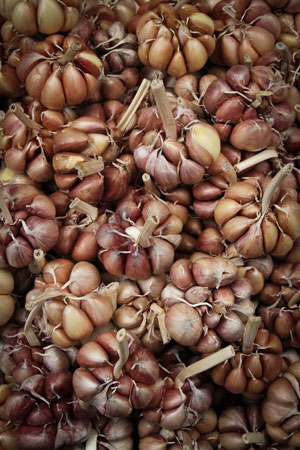
| Scientific: | Allium sativum |
|---|---|
| Other: | Garlic |
| Family: | Amaryllidaceae |
Garlic has been used for thousands of years for both culinary and medicinal purpose all around the world. It is rich in sulfur containing compounds that are responsible for it medicinal properties and pungent taste. The extraction process (fresh-crushed vs aged garlic) affects the chemical structure and medical properties. Some extracts are better suited for infections while others for heart disease.
Crushing fresh garlic releases enzymes that convert the organosulfur compound allii into allicin. Allicin is relatively unstable and can react with itself to form ajoene and diallydisulfide. These compounds are responsbile for the pungent garlic odour and taste. They are small volitile compounds that are fat-soluble and can easily be extracted in oil. Garlic's antimicrobial properties are associated with allicin and closely related fat soluble compounds that have been shown to have antibacterial, antifungal, antiviral, and antiprotozoal activity. Allicin products are commonly recommended for viral infections, like colds and flus. Also they are often prescribed orally and topically for yeast (e.g. candida) and fungal infections (e.g. athlete's foot). In addition these compounds have antiplatelet effects and can help prevent blood clots but should be used with caution with patients on " blood thinners " .
" Odourless garlic " refers to aged garlic extracts (AGE); the aging process breaks down all the allicin and converts it to stable water-soluble compounds like S-allylcysteine and S-allylmercaptocysteine. These compounds lack significant antimicrobial or antiplatelet properties that allicin & ajoene possess, but they do have significant cardioprotective, antihyperlipidemic and antihypertensive effects. AGEs are comonly recommended for cardiovascular disease because they may reduces atherosclerosis by lowering cholesterol and decrease oxidative stress that leads to plaque formation. Furthermore they decrease blood pressure but they do not appear to thin the blood or interact with anticoagulant drugs.
Garlic and AGEs possess anticancer effects against several types of cancers. Research is conflicting but garlic may decrease the risk of some types of cancers including colon and prostate. AGEs are hepatoprotective and have been shown to increase glutathione levels and protect the liver against various toxic compounds and benefit those suffering from liver disease.
Cardiovascular
• hypercholesteremia (decreases LDL and TG, raises HDL)
• atherosclerosis
• hypertension
• thrombosis (prevention)
• intermittent claudication
Infection
• viral
- colds
- influenza
- pneumonia
- warts
• yeast
• candidiasis
• tinea
• bacterial
- otitis media
- bronchitis
- vaginosis
- mastitis
• parasites
• helminths (worms)
• leishmaniasis
• trichomonas
• schistosoma (flukes)
Other
• liver detoxification
• hepatitis
• mercury poisoning
• Antimicrobial
• Antibacterial
• Antiviral
• Antiparasitic
• Antihyperlipidemic
• Hypotensive
• Antithrombotic
• Hepatoprotective
• Stimulant
• Antioxidant
• Hypoglycemic
• Expectorant
• Diaphoretic
• Immunostimulant
• Rubefacient
• Diuretic
• Anticancer
• Sulfur-Containing Compounds (Allicin, Alliin, Ajoene, Diallylsulfide, Dithiin, S-Allylcysteine )
• Fresh garlic (crushed): 4 g qd or 1 clove tid
• Dried garlic (powder): 2-4 g qd
• Tincture (1:1 in 45% EtOH): 2-4 ml tid
• Standarized extract (6 mg allicin): 600-900 mg qd
• Vaginal suppository: 1 clove (either puncture with a fork or cut in half)
Note: topical application and suppositories may be too caustic for sensitive individuals.
Pregnancy and lactation: Dietary consumption is generally safe. High doses should be avoided as safety has not yet been established.
High doses: Avoid in pregnancy and lactation.
Sulphur allergies: Avoid use.
• Anticoagulants • may potentiate
• Surgery • avoid excess amounts before and after procedure
Barnes J, Anderson LA, Phillipson JD. Herbal Medicines, 3rd ed. London: Pharmaceutical Press, 2007.
Bone K. Principles and Practice of Phytotherapy. Edinburgh: Churchill Livingstone, 2000.
Bone K. A Clinical Guide to Blending Liquid Herbs: Herbal Formulations for the Individual Patient. St Louis, MO: Churchill Livingstone, 2003.
Brinker F. The Toxicology of Botanical Medicines, 3rd ed. Sandy, Oregon: Eclectic Medical Publications, 2000.
Felter HW, Lloyd JU. King's American Dispensatory. 1898. http://www.ibiblio.org/herbmed/eclectic/kings/main.html. Accessed: August 19, 2006.
Hoffman D. Medical Herbalism. Rochester, Vermont: Healing Arts Press, 2003.
Weiss RF. Herbal Medicine. Beaconsfield, England: Beaconsfield Publishers Ltd, 1988.
Williamson EM, ed. Major Herbs of Ayurveda. Edinburgh: Churchill Livingstone, 2002
Disclaimer: This content is subject to change. The information is intended to inform and educate; it does not replace the medical evaluation, advice, diagnosis or treatment by a healthcare professional. www.nhpassist.com © 2014 NDAssist Inc. and/or its affiliates. All rights reserved.
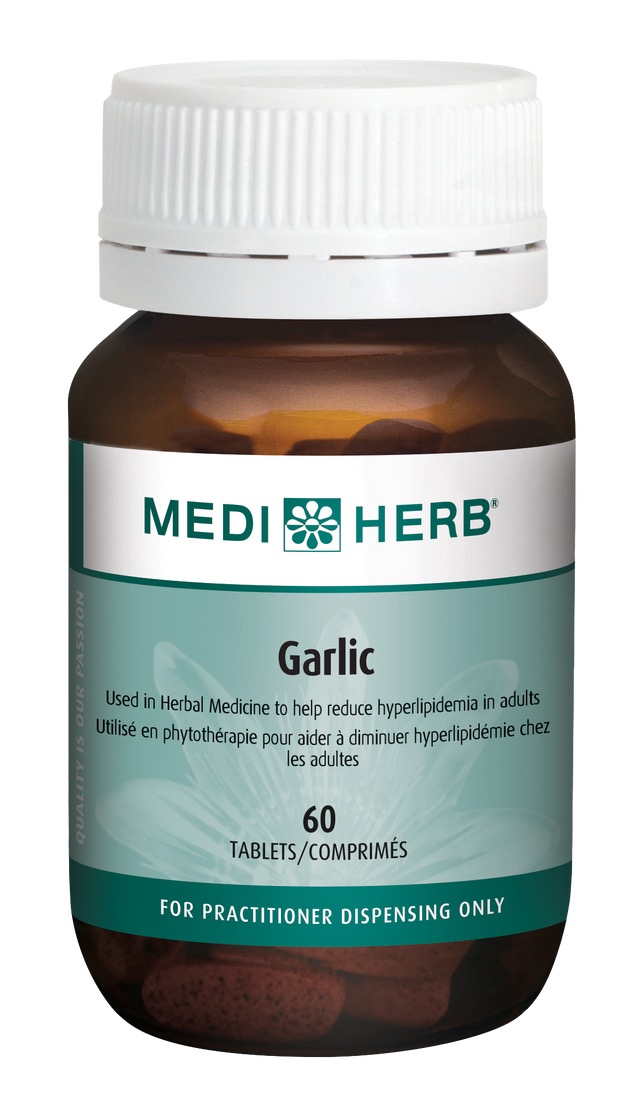
|
GarlicSummaryGarlic has been used for thousands of years for both culinary and medicinal purpose all around the world. It is rich in sulfur containing compounds that are responsible for it medicinal properties and pungent taste. The extraction process (fresh-crushed vs aged garlic) affects the chemical structure and medical properties. Some extracts are better suited for infections while others for heart disease. IndicationsSign in requiredActionsSign in requiredConstituentsSign in requiredPosologySign in requiredSafetySign in requiredInteractionsSign in requiredReferencesSign in required |
|---|